AGP Executive Report
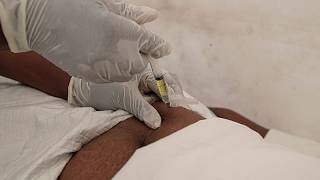
Last update: 12 hours agoSahrawi Camp Nutrition: In the Tindouf refugee camps, families are growing and using moringa—known locally as the “pharmacy tree”—in salads, soups and bread. The project supports food autonomy, particularly for women, while adapting pastoral knowledge to life in displacement. Injury Report: A draft UN Security Council resolution on Western Sahara reportedly cites the Es-Semara attack, in which a woman was injured and taken to hospital.
Note: AI summary from news headlines; neutral sources weighted more to help reduce bias in the result. Feedback is welcome. Please let us know if you have any comments or suggestions about the AGP Executive Report.
 Perspectify News